
A Montana vacation that covers Glacier National Park, fly fishing, and Big Sky works best when you plan around each region’s own rules. Glacier requires no vehicle reservation in 2026 but limits Logan Pass parking to three hours. Montana fishing licenses run $73.50 for a nonresident 5-day permit. Big Sky adds hiking, golf, and Lone Mountain’s 11,166-foot summit to the trip.
Visitors who came to Glacier before 2026 remember the routine: set an alarm for before 7 a.m., open the Recreation.gov app, and hope a vehicle reservation for Going-to-the-Sun Road was still available. That system is gone this year.
The park dropped its reservation requirement park-wide in 2026, and the only new limit is a three-hour parking cap at Logan Pass starting July 1. It’s a small change, but it sets the tone for this guide: Glacier, the rivers around it, and Big Sky have all gotten easier to plan for in 2026, once you know the current rules.
This Montana vacation guide walks through what to expect at Glacier’s gates, what a Montana fishing license actually costs, and more, plus other things to do in Montana once you leave the park and head toward Big Sky.
About Stay Montana Vacation Rentals
We are a local, family and employee-owned company that understands what makes a vacation rental home or condo just right for you. At Stay Montana Vacation Rentals, you’ll find everything from secluded mountain cabins to luxurious riverfront homes to ski-in, ski-out properties in Big Sky, all designed to fit your idea of a perfect getaway.
As experts in all things Montana, we also share local tips on our destination blog, including why you should stay in Big Sky when visiting Yellowstone, how to make the most of your fall vacation in Gallatin Valley, and much more.
Contents
- What Makes a Montana Vacation Different
- When to Visit for Each Activity
- Planning Your Glacier National Park Visit
- Fly Fishing in Montana: What Visitors Need to Know
- Big Sky: Adventures Beyond the Park
- Common Questions About Visiting Montana
- Book With Stay Montana
What Makes a Montana Vacation Different
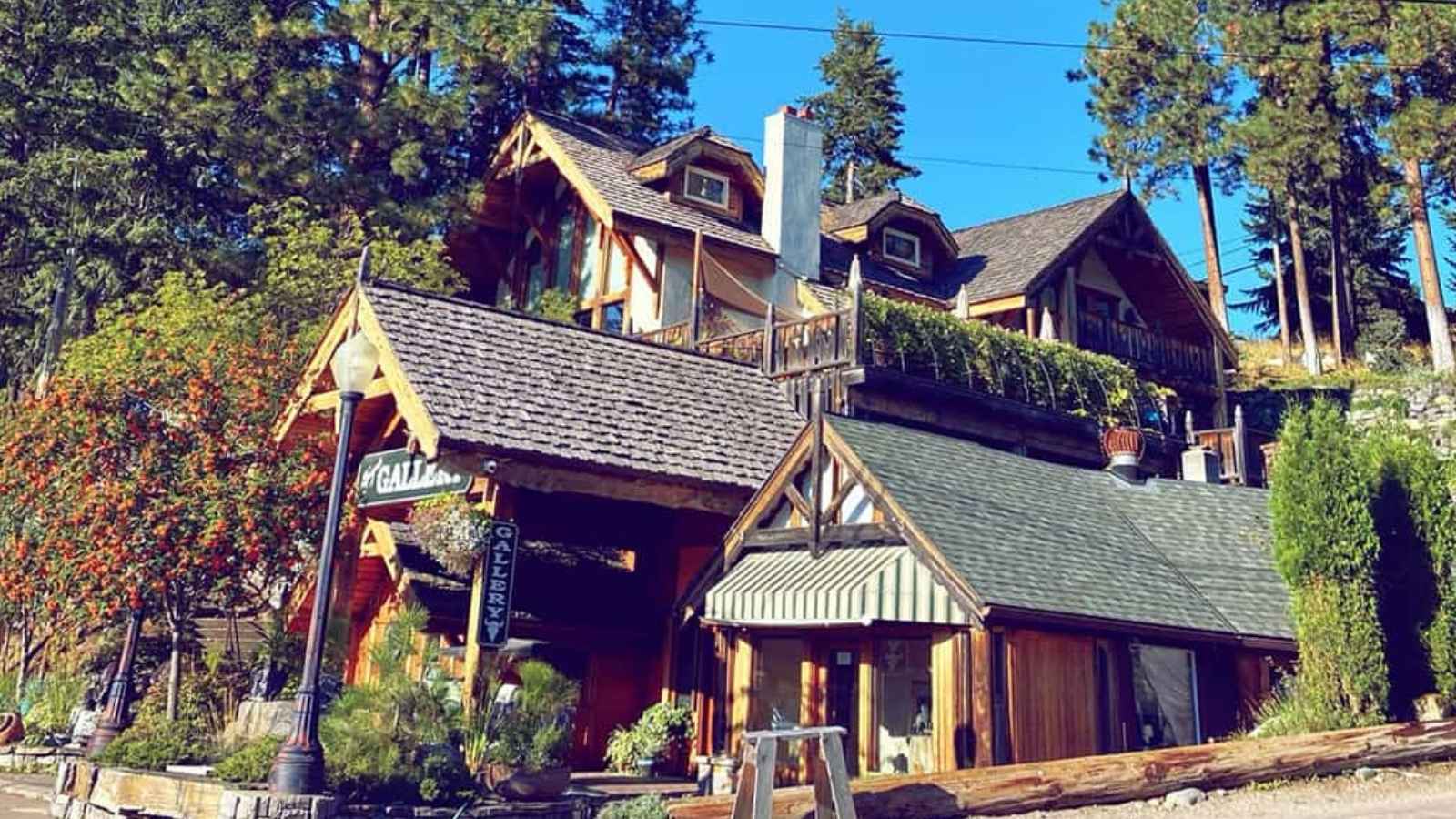
Montana rewards visitors who treat it as three connected trips instead of one. Glacier National Park anchors the northern part of the state with glacially carved valleys and the Going-to-the-Sun Road. The rivers that thread through western Montana, including waters near Glacier and stretching south toward Big Sky, draw fly anglers from around the country.
Big Sky itself sits about an hour from Yellowstone National Park and offers activities in every season, including summer hiking and winter skiing at Big Sky Resort.
When to Visit for Each Activity
Timing a Montana trip depends on which piece matters most. Going-to-the-Sun Road typically doesn’t open to vehicles until mid-to-late June, so a Glacier-focused trip planned for May will miss the alpine section of the park. Fly fishing on Western District rivers and streams opens the third Saturday in May and runs through November 30, giving anglers a longer window than Glacier’s road offers.
Big Sky Resort has stayed open for skiing into late April in past seasons, which means a single spring trip could realistically catch late-season skiing at Big Sky before Glacier’s high country is even accessible. Visitors chasing all three Montana outdoor activities should plan for summer, once Going-to-the-Sun Road is fully open and Western District rivers are within their open season.
Planning Your Glacier National Park Visit
Do You Need a Reservation for Glacier in 2026?
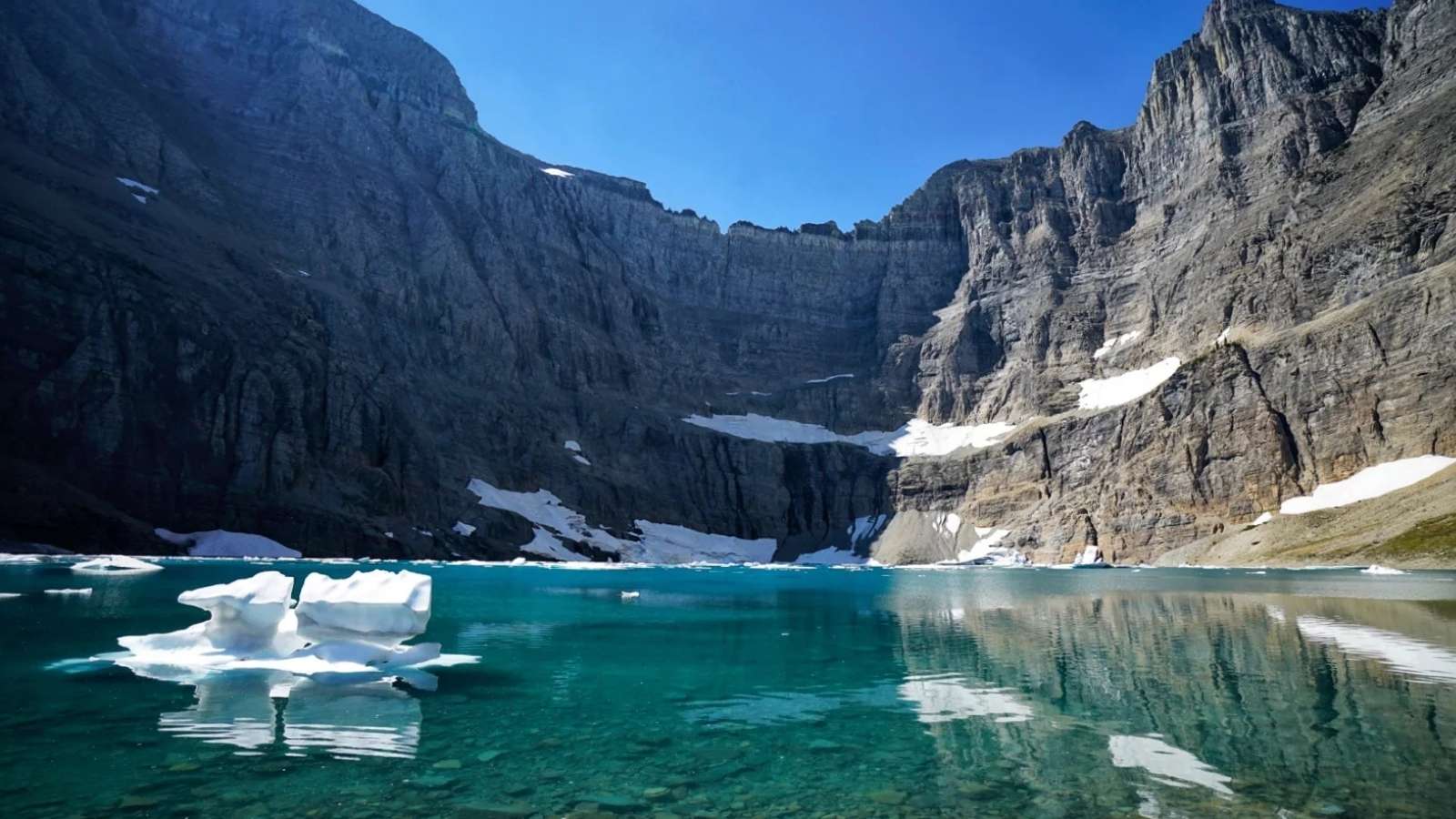
No. The National Park Service confirmed in February 2026 that vehicle reservations would not be required anywhere in Glacier National Park this year, including on Going-to-the-Sun Road, in Many Glacier, Two Medicine, and the North Fork. That ends the timed-entry system that governed the West Entrance in recent seasons.
The park is managing crowding differently instead. Rangers will temporarily close specific parking areas, such as Avalanche Creek or Many Glacier once they fill, rather than turning cars away at the gate.
What Does It Cost to Get In?
A standard Glacier entrance pass costs between $20 and $35, depending on how you arrive. A private vehicle pass runs $35 from May through October and drops to $25 during the winter rate period, November 1 through April 30. It covers everyone in the vehicle and stays valid for seven days.
Visitors arriving on foot or by bicycle pay $20 per person in summer or $15 in winter, while motorcycles cost $30 in summer and $20 in winter. Non-US residents age 16 and older pay an additional $100 per person, unless they hold an Annual or America the Beautiful Pass.
An annual Glacier pass costs $70, and the America the Beautiful pass, good at national parks and other federal recreation sites nationwide, costs $80. Glacier does not accept cash, so bring a card.
The National Park Service also waives entrance fees on set dates in 2026: February 16, May 25, June 14, July 3 through 5, August 25, September 17, October 27, and November 11. Other fees, such as camping or shuttle tickets, still apply on those days.
| Pass Type | Price | Valid For |
|---|---|---|
| Private Vehicle (summer) | $35 | 7 days |
| Private Vehicle (winter, Nov 1-Apr 30) | $25 | 7 days |
| Per Person, foot/bike (summer) | $20 | 7 days |
| Per Person, foot/bike (winter) | $15 | 7 days |
| Motorcycle (summer) | $30 | 7 days |
| Motorcycle (winter) | $20 | 7 days |
| Annual Glacier Pass | $70 | 1 year |
| America the Beautiful Annual Pass | $80 | 1 year, all federal sites |
When Does Going-to-the-Sun Road Open?
Going-to-the-Sun Road opened to bicyclists only from June 18 through June 21, 2026, before opening fully to vehicles on June 22. The full road typically stays open into early fall, though the alpine section closes for winter once snow makes driving unsafe.
Starting July 1, 2026, private vehicle parking at Logan Pass is limited to three hours, and a ticketed Logan Pass Shuttle now serves hikers heading to trails such as Highline. Shuttle tickets are sold on Recreation.gov for a $1 processing fee, with some released 60 days in advance and the rest released the evening before at 7 p.m. Mountain time.
Fly Fishing in Montana: What Visitors Need to Know
Do You Need a License to Fish in Montana?
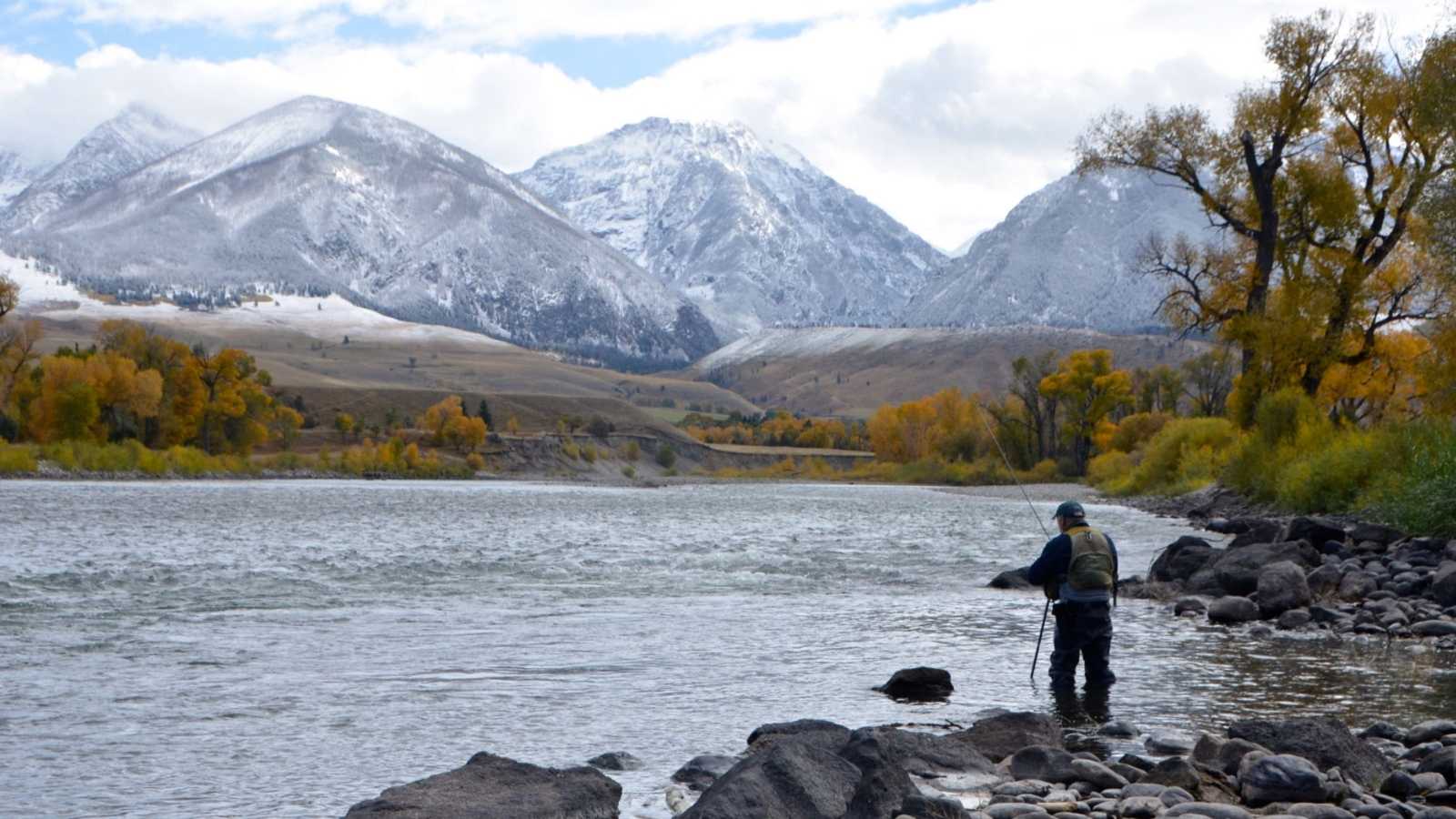
Yes. Montana requires a fishing license for anyone age 12 or older on state waters, plus a Conservation License and an Angler Aquatic Invasive Species Prevention Pass for most anglers. Kids age 11 and under can fish without any of the three. The Conservation License costs $8 for residents and $10 for nonresidents. The AIS Prevention Pass costs $2 for residents and $7.50 for nonresidents age 16 and up.
What Does a Nonresident License Cost?
A nonresident angler pays $14 for a single day of fishing, $56 for five consecutive calendar days, or $100 for a full season, according to Montana Fish, Wildlife & Parks. Add the Conservation License and AIS Prevention Pass, and the real totals come to $31.50 for one day, $73.50 for five days, or $117.50 for the full season. The season license runs from March 1 through the end of February the following year.
| License Component | Resident | Nonresident |
|---|---|---|
| Conservation License | $8 | $10 |
| AIS Prevention Pass (age 16+) | $2 | $7.50 |
| 1-Day Fishing License | N/A | $14 |
| 5-Day Fishing License | N/A | $56 |
| Full-Season Fishing License | $21 | $100 |
Where Should Visitors Fish?
Montana splits its waters into three fishing districts: Western, Central, and Eastern. Each district has its own standard regulations, and specific rivers and lakes can carry exceptions that override those standard rules, covering season dates and daily limits. Anglers should check the exceptions list for the exact water they plan to fish before casting a line.
Rivers and streams in the Western District, which covers the region around Glacier and stretches south toward Big Sky, are open from the third Saturday in May through November 30 unless an exception applies, while lakes and reservoirs in that district stay open all year.
Two rivers anchor most fly fishing near this itinerary. The North and Middle Forks of the Flathead River form two of Glacier National Park’s boundaries and hold native westslope cutthroat trout, rainbow trout, and whitefish.
Fishing inside Glacier’s park boundaries doesn’t require a Montana license, though the Middle Fork and North Fork still require one even when fished from the park side of the riverbank, since the river itself marks the boundary.
Near Big Sky, the Gallatin River runs through town and is one of Montana’s blue-ribbon trout streams, with the Madison River another popular option about an hour away.
Big Sky: Adventures Beyond the Park
What Is There to Do in Big Sky in Summer?
Big Sky offers hiking, mountain biking, golf, and ziplining once the snow melts. The Kircliff observatory sits at 11,166 feet and is reachable by gondola or tram, giving visitors a 360-degree view of the surrounding mountains without a strenuous climb. Golfers can play the Arnold Palmer-designed public course before catching the Big Sky Farmers Market, which runs Wednesdays between early June and late August, 5 to 8 p.m., at Big Sky Town Center.
Lone Mountain by the Numbers
Lone Mountain rises 11,166 feet and anchors Big Sky Resort’s terrain. In winter, the resort spans more than 5,850 skiable acres with 4,350 vertical feet of terrain. Big Sky Resort has stayed open into late April in past seasons, giving skiers extra time on the mountain.
Using Big Sky as a Base Camp
Big Sky sits about an hour from Yellowstone National Park and about an hour south of Bozeman, which makes it a workable base for day trips in both directions. The drive between Glacier and Big Sky covers roughly 300 miles and takes about six hours, so most visitors treat the two as separate legs of a trip rather than a single day out.
Big Sky’s Town Center adds an evening option once the trails and rivers close out for the day. Len Hill Park hosts the Music in the Mountains concert series on summer evenings, and the Meadow Village Center has shops and restaurants you can explore if you’re looking for more things to do.
Common Questions About Visiting Montana
Do I need a reservation to drive Going-to-the-Sun Road in 2026? No. Glacier National Park removed its vehicle reservation requirement for the entire park in 2026. The only new restriction is a three-hour parking limit at Logan Pass that begins July 1.
How much does a Montana fishing license cost for visitors? A nonresident angler pays $73.50 for five consecutive days or $117.50 for a full season, once the required Conservation License and AIS Prevention Pass are included.
How far is Big Sky from Yellowstone? Big Sky sits about an hour from Yellowstone National Park, which makes it a practical base for day trips into the park.
Book With Stay Montana
Montana rewards the traveler who does a little homework before arriving — and this guide covers the essentials. Glacier’s 2026 changes make the park more accessible than it’s been in years, the rivers are open and fishable from late May through November, and Big Sky gives you a base that works in every season.
At Stay Montana, we offer lodging near all three — mountain cabins, riverfront homes, and ski-in ski-out properties in Big Sky. Browse our available properties and start building your Montana itinerary.